August 2026 Book Club
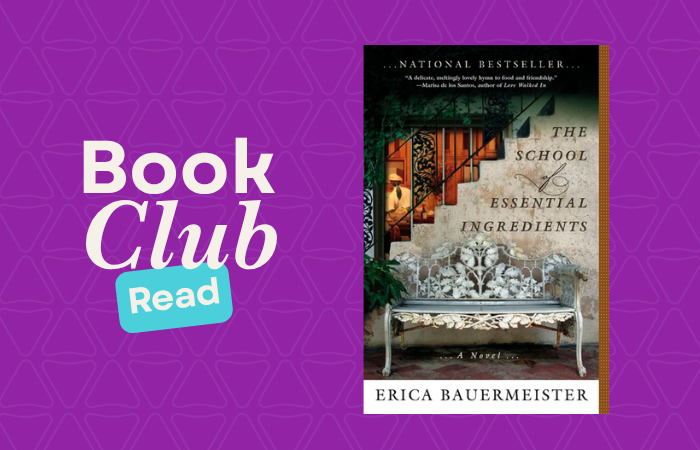
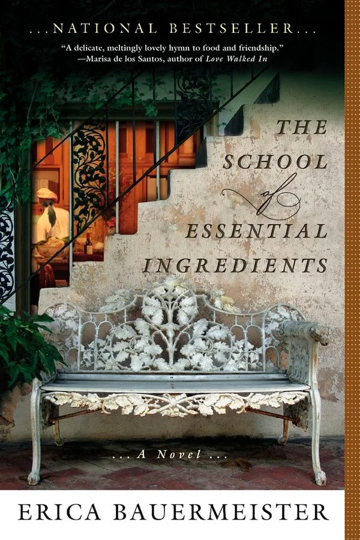
The School of Essential Ingredients
I wasn't expecting to get emotional over a fictional cooking class, but here we are. The first chapter — dedicated to the first student in Lillian's monthly class — hit me hard enough that I had to put the book down for a minute. That's not usually how these things go for me. But that's the trick of this one: it sneaks up on you.
The School of Essential Ingredients is a lightly magical novel about Lillian, a chef who's spent her whole life noticing what the rest of us miss — how a particular dish can meet a person exactly where they are, emotionally. As a kid, she clocked the way ingredients and feelings talk to each other. As an adult, surprised that nobody else seemed to see it, she built a restaurant around it — and a monthly cooking class.
Each chapter belongs to one of the eight people in that class. Spices and flavor profiles weave through each person's backstory, and Lillian always seems to know exactly which dish will give them what they need.
Oh — and she doesn't believe in recipes. Food, in her world, gets made by listening to the ingredients and letting them become the best versions of themselves. (See if you can guess where the Leadership Lesson is headed.)
The book club's reception was mixed, and I gave it the most enthusiastic review by a wide margin. A few people had trouble suspending disbelief about how easy the cooking looked, or wished the characters went deeper. Nobody found the plot especially surprising. And yet — we all agreed there was something to its dreamy, unhurried quality. Some of the discussion centered on how much each of us personally resonated with the stories versus the recipes. One member wasn't sold on it until she reframed the question: how would she feel if the book were about music instead of food — her actual thing? That reframe won her over.
I found something that resonated with me in nearly every chapter, and that first one, as I mentioned, wrecked me a little.
The stories aren't especially surprising, but Bauermeister handles hard material — death, dissatisfaction, self-worth — without the heaviness those topics usually drag in with them. My favorite thing about this book, hands down, is her use of non-food metaphors; the writing is genuinely beautiful and evocative. The food descriptions didn't make me hungry so much as send me looking inward for whatever feeling had just surfaced.
This lands as an easy Category 3 for me. It's not a book that rearranges your furniture — it's one that quietly rearranges you.
The Leadership Lesson
Because of the family dynamics driving her story, Lillian skips cookbooks entirely. She works by trial and error, trusting her senses over instructions. As someone who "peoples" for a living — as opposed to sciencing, or lawyering — I get it.
There's no single recipe for good leadership. That's not a caveat to how I built my practice; it's the whole premise. Authentic leadership is unique to the leader.
A good chocolate chip cookie recipe is useful — follow it exactly and you'll get a perfectly viable cookie. What you won't get is magic. Toss the recipe and measure with your heart instead: find the ratios that suit *your* palate, and you might land on your perfect chocolate chip cookie.
Certain competencies are essential to good leadership, full stop. But how you demonstrate them, how they integrate with your values, how they land with your team — and a dozen other factors — all shape what an authentic version of that leadership actually looks like.
The upside of building it this way is that it's genuinely yours. You're not borrowing someone else's leadership off the rack and hoping it fits well enough. You're growing your own skin — one that goes with you into the office, back home, and everywhere in between, because it's who you are, not what you put on.
Next Month's Read
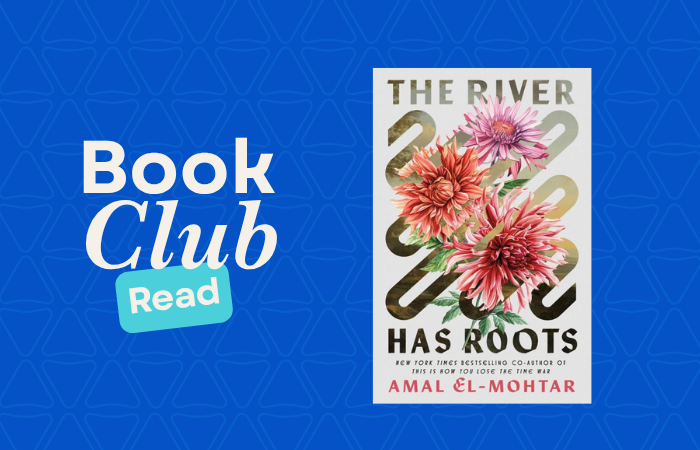
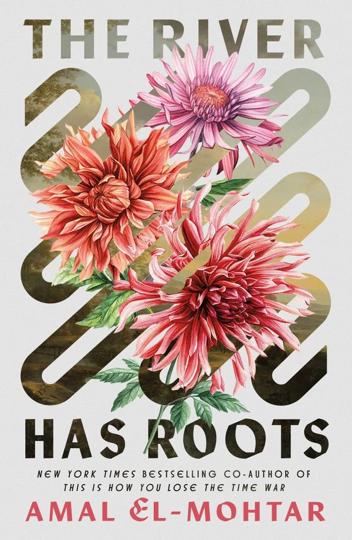
Looking for a good transition into fall, we're reading: The River Has Roots by Amal El-Mohtar
Category Rating System
• Category 1: I hated this book. I would actively discourage others from reading it.
• Category 2: This book was fine. I finished it and didn’t regret the time, but I wouldn’t necessarily recommend it.
• Category 3: I loved this book. Everyone should read it, then call me so we can discuss it at length over coffee and chocolates.