May 2026 Book Club
Playground, by Richard Powers
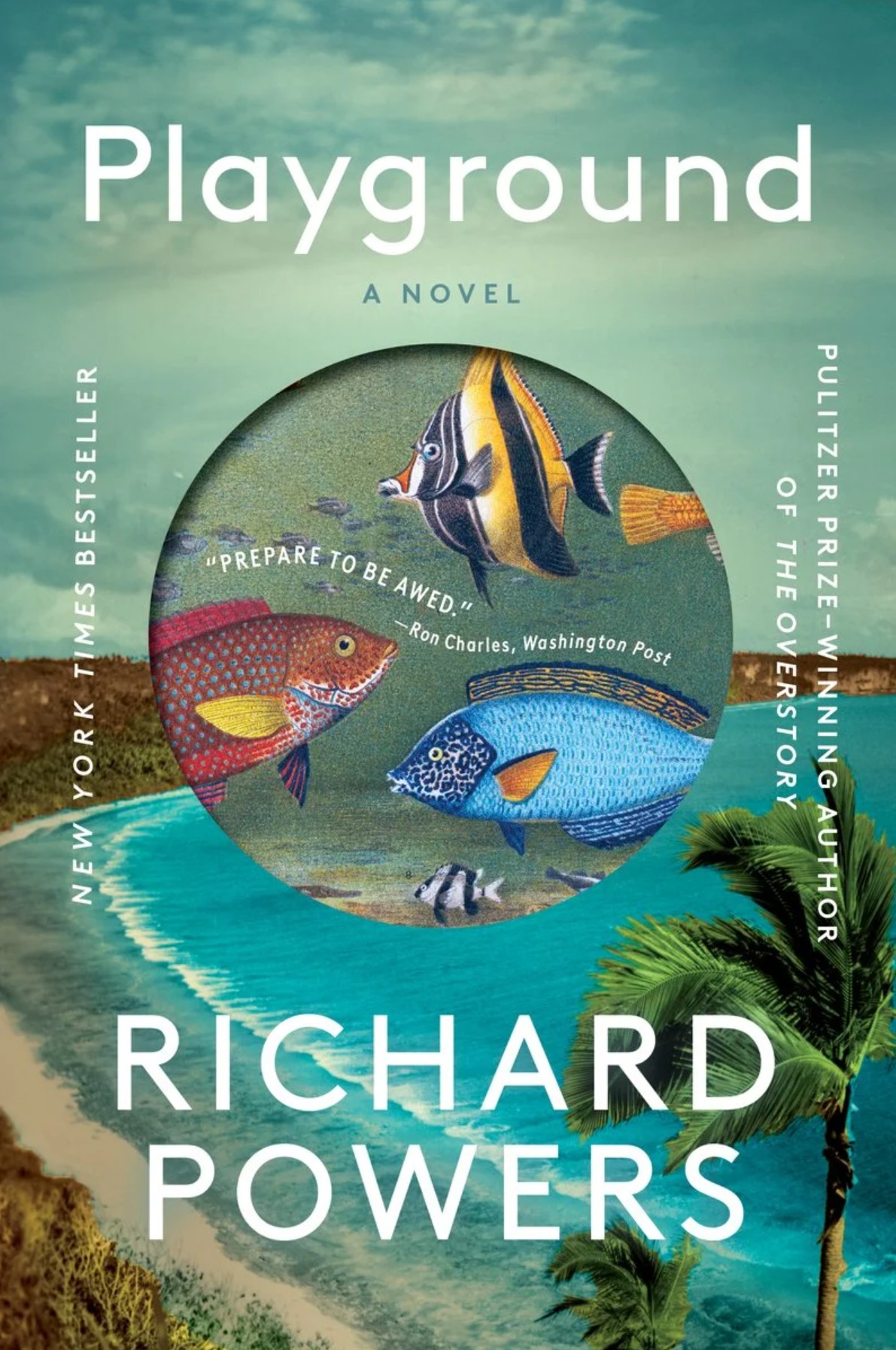
Playground weaves together four stories that all circle the same essential question: how do we relate? To one another, to our planet, and to Artificial Intelligence.
The book is told from two points of view, which, as an audiobook listener, I did not fully grasp at first. In the print edition, italicized text signals the shift in perspective. I suspect missing that visual cue significantly affected my understanding of the story and, especially, my interpretation of its conclusions.
While our group found many compelling ideas and fascinating details, our overall consensus was that the whole was somehow less than the sum of its parts. Each of us was moved or intrigued by different aspects of the novel, but in the end, it left us wanting more.
One friend summed it up this way:
“Interesting, but a poorer version of The Overstory. It’s clear to me that Richard Powers likes trees better than the ocean.”
We also agreed that the book was more intellectually engaging than emotionally resonant. The ideas about AI and human connection were thought-provoking, but not especially moving.
That said, one member shared that they could only read the book in small doses because it created a powerful sense of foreboding. This led to a rich discussion about authorial intent. Was that unease the emotional experience Powers wanted readers to have? We also wondered whether the “flat affect” we noticed was intentional, particularly if parts of the story were meant to feel as though they had been generated by AI itself.
In the end, this lands squarely in what I lovingly call Category 2.
- Category 1: I hated this book. I would actively discourage others from reading it.
- Category 2: This book was fine. I finished it and didn’t regret the time, but I wouldn’t necessarily recommend it.
- Category 3: I loved this book. Everyone should read it, then call me so we can discuss it at length over coffee and chocolates.
The Lesson
Not every book we read for book club arrives with a tidy leadership lesson tucked between the chapters.
I read fiction for the pleasure of language, the unfolding of a story, and the occasional chance to discuss both with good friends. Sometimes a passage catches my coaching attention like a bright shell on the shoreline. Beautiful, meaningful, but not necessarily the main event.
This quote from Playground stayed with me:
“Of all the things humans excel at, moving the goalposts may be our best trick.”
And there it was, waving a tiny coaching flag.
How often do we achieve something meaningful only to immediately shift the target? How quickly do we move from accomplishment to the next item on the to-do list, skipping over celebration as though it were optional?
When our sense of worth is tethered to achievement, success can become a treadmill with excellent branding.
There is always another milestone. Another promotion. Another launch. Another box to check.
But if we never pause to acknowledge what we’ve already done, we miss something essential. Satisfaction. Gratitude. Perspective. The chance to say, “Look at that. I did the thing.”
Achievement matters. Ambition is not the villain in this story.
But so does standing still long enough to let success actually land.
Otherwise, we spend our lives moving goalposts across an ever-expanding field, wondering why reaching them never feels like arriving. 🏁✨
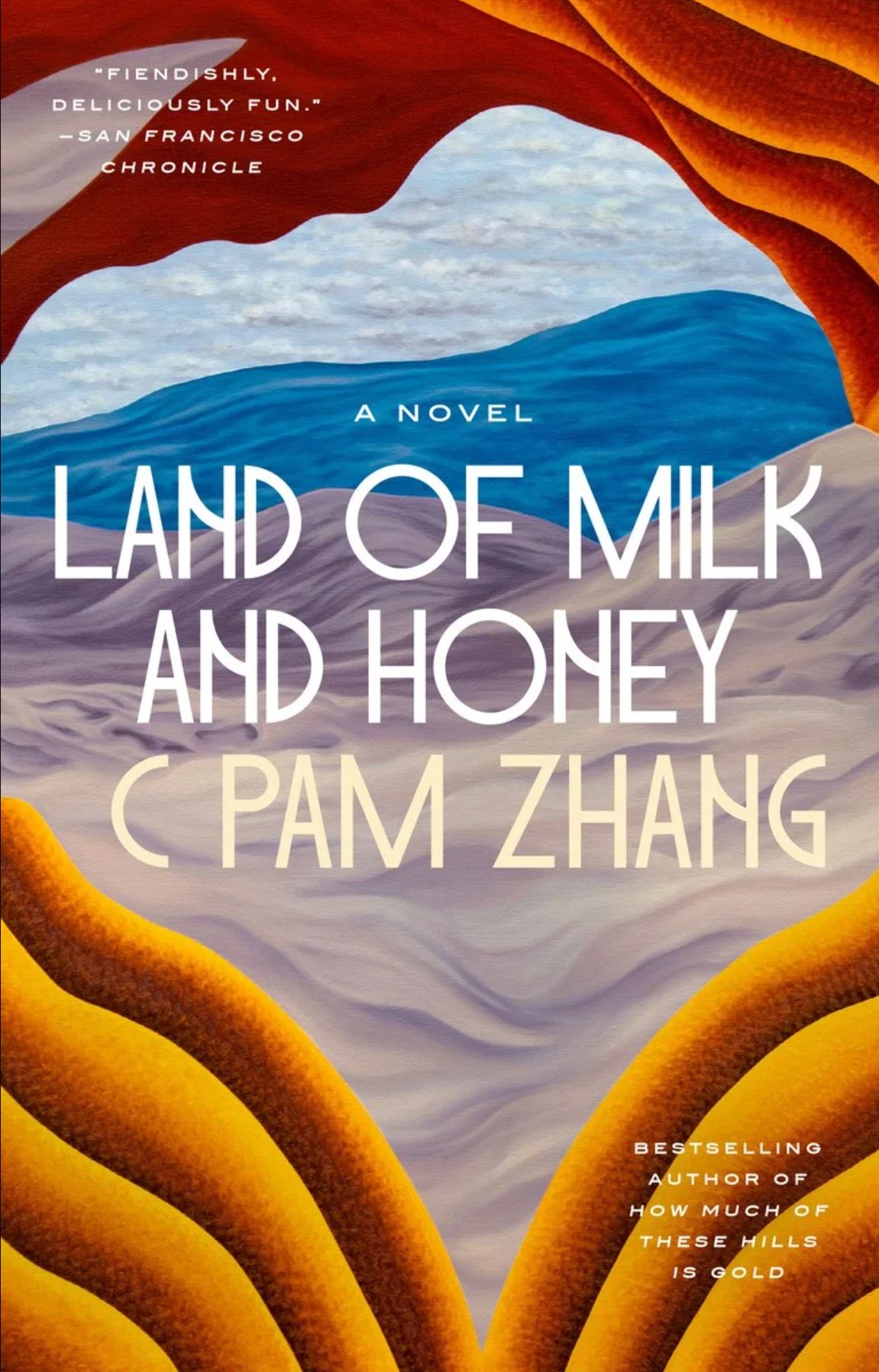
June's read:
Land of Milk and Honey by C. Pam Zhang
Some of the links on this website are affiliate links, which means we may earn a small commission if you purchase through those links — at no additional cost to you.